Performance Management in Restoration: Building Accountability Without Losing Your People
May 1, 2026
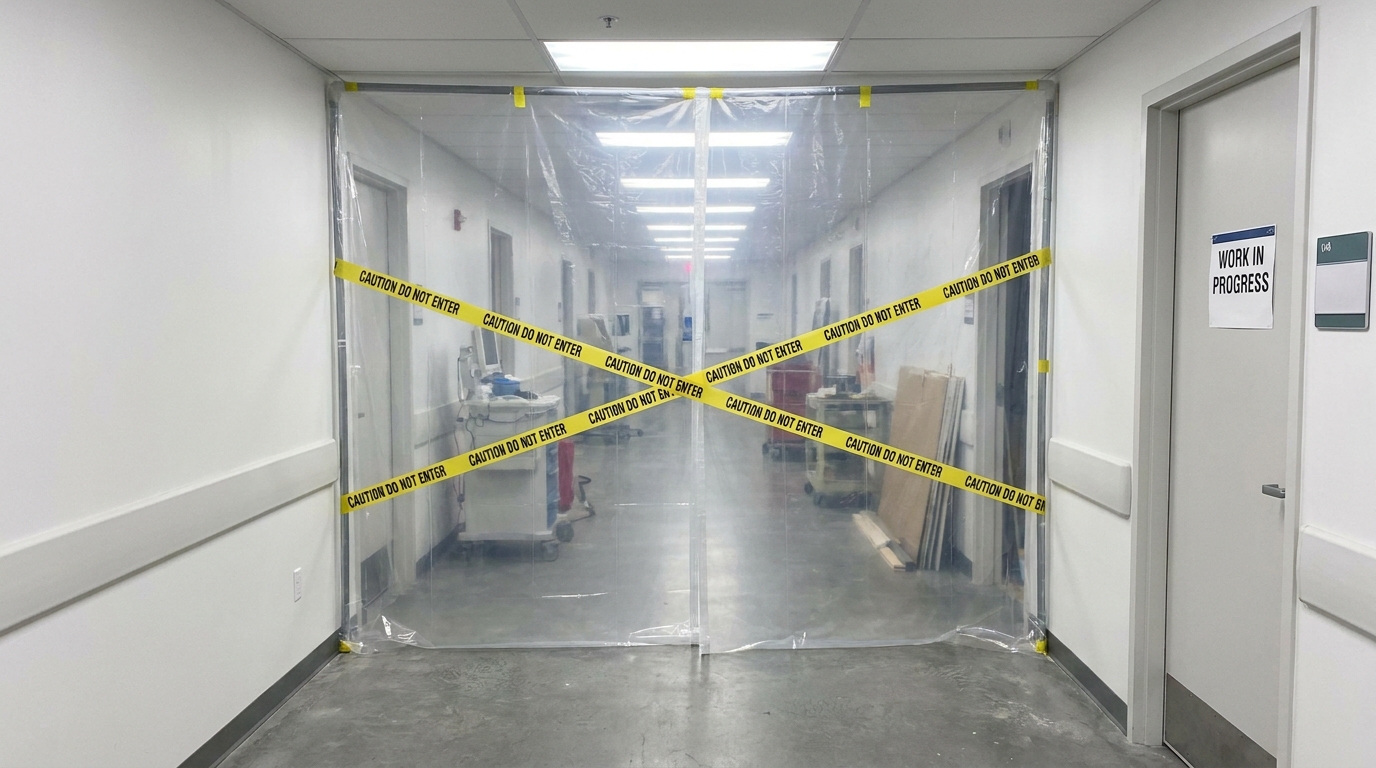
What is performance management in a restoration company? Performance management in restoration is the systematic process of setting clear expectations, measuring results against those expectations, providing regular feedback, and taking action when performance falls short — creating an accountability culture where good work is recognized and poor performance is addressed consistently.
Most restoration owners tolerate underperformance for too long, address it once informally with no result, then either fire the person abruptly or keep tolerating it. Neither outcome serves the business. And the employees who are performing well watch this pattern and draw the obvious conclusion: performance doesn’t matter here.
The Foundation: Clear Expectations Before Accountability
You cannot hold someone accountable for expectations you haven’t communicated clearly. For each role, write down what “good performance” actually means — output expectations (what they produce), behavioral expectations (how they show up), and development expectations (what they’re working to improve). Share these at hire and review them in every performance conversation.
The Three Performance Conversations
1. The Weekly Check-In (5-10 minutes)
Three questions: What went well this week? What did you struggle with? What do you need from me? This prevents small problems from becoming big ones by creating a consistent channel for early identification and support.
2. The Monthly One-on-One (30-45 minutes)
Review actual performance against expectations using data — estimate-to-actual variance, supplement approval rate, customer satisfaction scores, documentation completion rate. Data creates accountability, not subjective opinion.
3. The Annual Review (60-90 minutes)
Full year performance, development goal progress, compensation discussion, goals for the coming year. The annual review should contain no surprises — if you’re delivering significant performance feedback for the first time here, the monthly check-ins haven’t been working.
Progressive Discipline Framework
Step 1: Coaching conversation (documented). Step 2: Verbal warning with documentation. Step 3: Written warning signed by both parties. Step 4: Termination when previous steps have been followed and performance hasn’t improved. This process protects you from wrongful termination claims and signals to your team that performance standards are real.
FAQ
What is a performance improvement plan (PIP)?
A PIP is a formal document specifying the performance gaps, required improvements, support being provided, timeline for improvement, and consequences of not meeting the plan. It’s typically Step 3 in a progressive discipline process.
What is the most common performance management mistake in restoration companies?
Inconsistency — holding some employees to standards while tolerating the same behavior from others. Inconsistent enforcement destroys credibility and creates legitimate claims of favoritism.
Mike McCabe is The Profit Detective — a 36-year restoration industry veteran who has developed management systems and accountability cultures for restoration companies across North America.