How to Evaluate a Restoration Contractor Before a Commercial Loss Happens
May 1, 2026
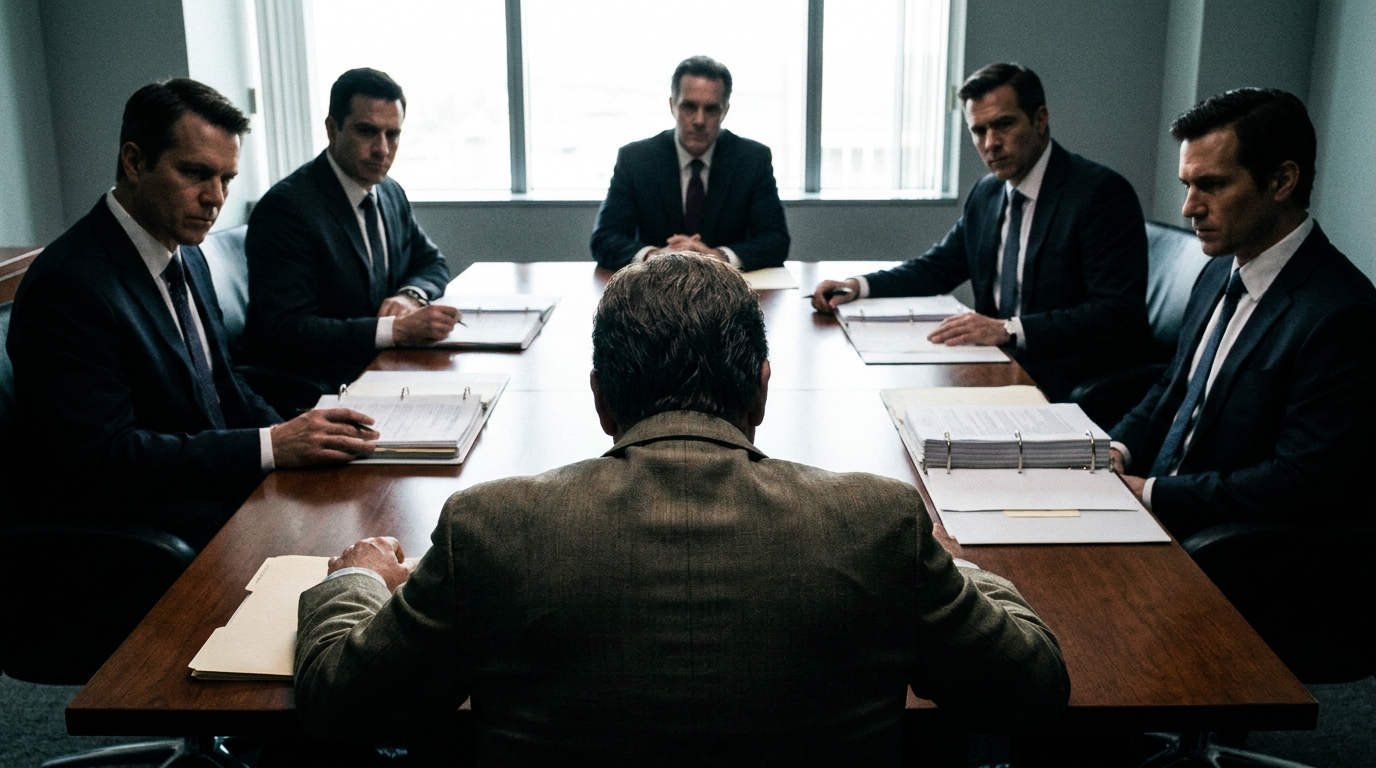
Proactive restoration contractor evaluation should include: site visit to their facility, review of active job references (not just completed), insurance and compliance documentation audit, financial stability indicators, capacity verification for large-loss response, and a structured tabletop exercise or small-job trial before committing to a preferred vendor agreement.
Facilities directors and risk managers operate differently from property managers. When a major commercial property selects a restoration contractor for preferred vendor status, the stakes are higher, the qualification process should be more rigorous, and the agreement that governs the relationship needs to be more comprehensive.
I’ve worked with restoration companies on both sides of this relationship — helping them build the systems and documentation that enterprise commercial clients require, and advising facilities teams on what actually differentiates a capable vendor from one that presents well. Here’s the complete approach.
The Formal Qualification Checklist
A formal restoration contractor qualification for a large commercial facility should cover six areas:
Technical Credentials
Current IICRC certifications held by active technicians (WRT, ASD, AMRT, FSRT as applicable). Verify by certificate, not by claim. Ask for the names of certified technicians and check the IICRC registry. A company with 15 technicians and two certifications has a certification problem — most of its crew is working without verified credentials.
Insurance and Compliance Documentation
Current certificates for general liability (minimum $2M per occurrence, $4M aggregate for major commercial work), workers’ compensation, commercial auto, and pollution liability if your property involves environmental exposure. Verify additional insured status for your entity. Confirm coverage is continuous — not just current at qualification. Build an annual renewal confirmation into your vendor management calendar.
Financial Stability Indicators
You don’t need a credit report, but you do need confidence that your vendor can survive a large job’s payment cycle without cash flow problems that affect your job. Ask how they finance large-loss mobilizations. Ask about their bonding capacity if your projects require bonded contractors. Ask what their average AR timeline looks like — a company that can’t articulate this doesn’t have financial visibility into its own business.
Capacity Verification
Define what your large-loss scenario looks like — floor count, square footage, simultaneous unit count — and ask the vendor specifically how they would respond to that scenario. What is their current deployed crew count, and how many additional crews can they mobilize within 24 hours? What is their equipment inventory for that scale of loss? Who authorizes and manages the surge response? A credible answer is specific and documented. A vague answer is a risk.
Operational Depth
Ask to meet the management team, not just the owner. In a large commercial engagement, you need a dedicated project manager, an account manager who isn’t also doing field work, and a documentation/billing process that doesn’t depend on the owner’s personal involvement. If the owner is presenting the company as if he is the company, that’s the honest answer to the operational depth question.
References From Comparable Facilities
Request references from facilities of similar size and complexity — not from residential or light commercial work. Call the references and ask specifically: how did they handle a job that went wrong, how was their documentation, and would you qualify them again today. Completed-job references tell you about past performance; ask if any of these references currently have an active relationship with the vendor. Active relationships are a stronger signal than past ones.
Running a Tabletop Exercise
A tabletop exercise is a structured scenario discussion, not a live drill. You present a realistic loss scenario — a sprinkler system failure on floors 3–7 of your main building during business hours — and ask the vendor to walk you through their response in real time.
What you’re evaluating: Do they have a documented mobilization process or are they improvising? Who makes what decisions and when? How do they communicate with your facilities team during the response? How do they handle tenant displacement if required? What’s their documentation protocol for an insurance claim of that scale?
A vendor that handles the tabletop well — with specific, process-driven answers — has thought about this. A vendor that gives general answers about “doing whatever it takes” has not. The difference matters at 2 a.m. when it’s real.
What a Master Services Agreement Should Include
A master services agreement (MSA) with a commercial restoration contractor should go beyond a standard vendor agreement. Key provisions:
Response time SLAs with defined penalties or escalation rights for failure — not just aspirational language about best efforts.
Documentation delivery requirements — what documentation is delivered, in what format, and on what timeline during and after a job.
Insurance billing protocols — who submits to the carrier, in what timeline, and how billing disputes are handled.
Subcontractor provisions — whether subcontractors can be used, what qualification standards apply to subs, and whether your approval is required for sub deployment on your properties.
Performance review cadence — quarterly or semi-annual reviews with defined performance metrics and consequences for sustained underperformance.
Termination provisions — clear terms for terminating the agreement, including the transition process for jobs in progress.
FAQ
What should a formal restoration contractor qualification process include for a large commercial facility?
The qualification process should cover: verified technical certifications for active technicians, current insurance compliance documentation with additional insured status, financial stability indicators, capacity verification for your specific large-loss scenario, management team depth assessment, and references from comparable facilities. A site visit to the contractor’s facility is also valuable — the state of their warehouse and equipment tells you about their operational standards.
How do I run a tabletop exercise to evaluate a restoration contractor’s emergency response capability?
Present a specific, realistic loss scenario for your property and ask the vendor to walk through their response in real time. Evaluate whether their answers are process-driven or improvised, whether they know who makes what decision and when, and whether their communication protocols are defined or vague. A one-hour structured tabletop with two or three scenarios will reveal more than a capabilities presentation.
What insurance coverage minimums should I require from a commercial restoration contractor?
For major commercial facilities: general liability minimum $2M per occurrence / $4M aggregate, workers’ compensation at statutory limits, commercial auto for all vehicles used in service delivery, and pollution liability if your property has environmental exposure. Verify your entity is listed as additional insured on the GL policy and that certificates are renewed annually.
How do I evaluate a restoration contractor’s large-loss capacity before committing to a preferred vendor agreement?
Define your large-loss scenario in specific terms — number of affected units, square footage, simultaneous deployment requirement — and ask the vendor to describe how they would respond. Request current crew count, equipment inventory, and surge capacity details. Ask how they access additional labor and equipment for events that exceed their core team. A credible answer is specific and documented.
What should a master services agreement with a restoration contractor include?
A well-structured MSA should include response time SLAs with defined consequences for failure, documentation delivery requirements, insurance billing protocols, subcontractor qualification standards and approval requirements, a performance review cadence with defined metrics, and clear termination provisions including transition protocols for jobs in progress. Generic vendor agreements without these provisions leave the commercial client without meaningful recourse when performance fails.
Mike McCabe is a 36-year restoration industry consultant and founder of Profit Detective. He advises restoration companies on operational infrastructure, financial systems, and growth strategy.