Job File Quality Standards: What Audit-Ready Looks Like in Restoration
May 1, 2026
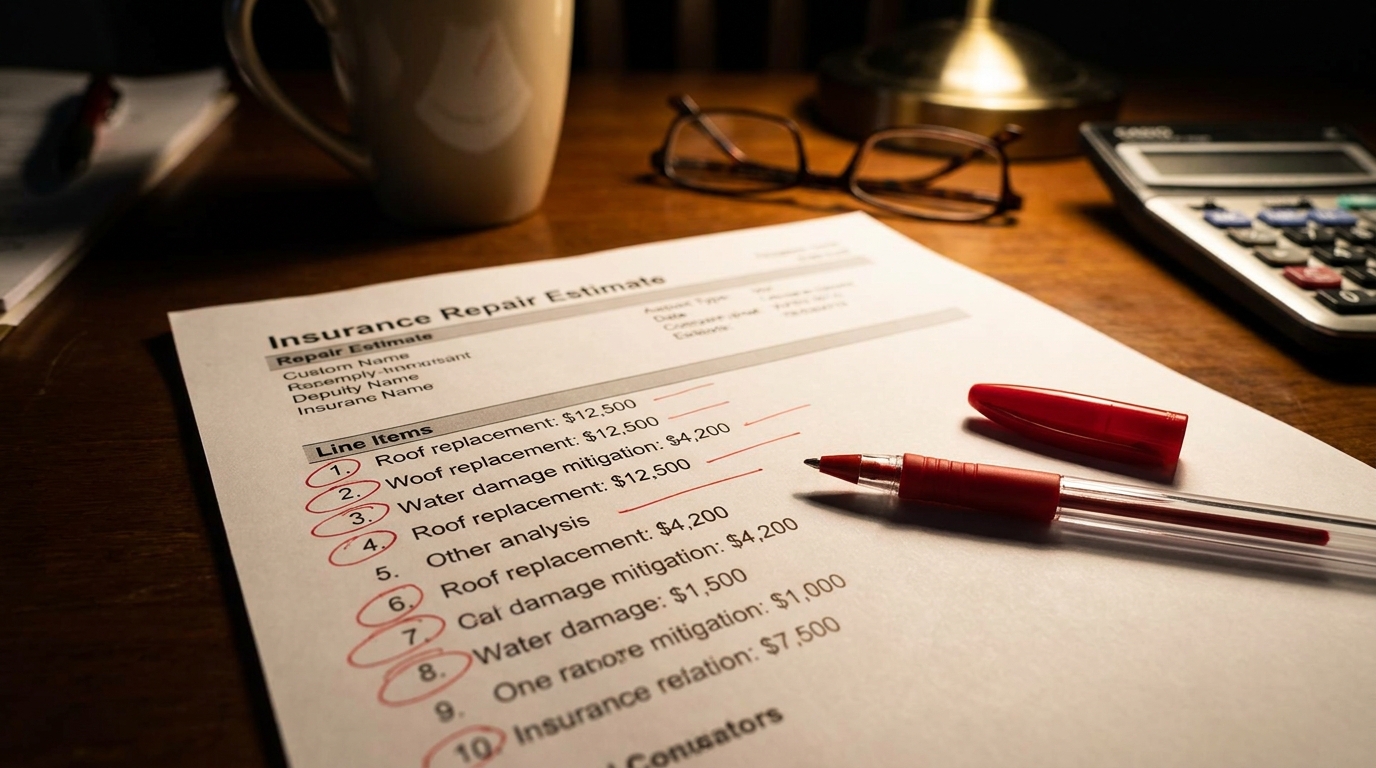
An audit-ready restoration job file is a complete, organized record of every document required to support the scope, billing, and payment of a job — including signed authorization, initial estimate, daily site notes, moisture readings, photo logs, supplement documentation, certificate of completion, and final invoice. Companies with audit-ready files collect faster and win more supplement disputes.
Why File Quality Is a Revenue Issue, Not a Compliance Issue
Most restoration operators think about job file documentation as a compliance task — something you do because you’re supposed to, not because it makes money. This framing is wrong and expensive. An audit-ready job file is a revenue protection tool. It is the evidence base that supports every supplement, defends every billing line, and resolves every payment dispute in your favor.
The companies that collect fastest and dispute least aren’t the ones with the best adjuster relationships. They’re the ones with the best files. When an adjuster questions a line item, the answer is “I’ll send you the documentation” — not a phone call, not a negotiation, not a concession. Documentation settles disputes before they cost you money.
The Universal Job File Checklist
These documents belong in every restoration job file, regardless of job type:
Signed Authorization to Perform Work. Before a single piece of equipment goes on site, you need a signed authorization from the property owner or authorized representative. No exceptions. This document establishes your right to be there, your right to bill, and the scope of work the client agreed to. Missing or unsigned authorizations are the first thing a defense attorney or denying insurer will look for.
Initial Scope and Estimate. The original Xactimate or comparable estimate, dated and version-controlled. If you revised the estimate before work began, keep both versions. The initial estimate establishes the baseline against which supplements are measured.
Daily Site Notes. A brief written record of what work was performed each day, by whom, and any conditions observed. Field techs resist this because it takes five minutes at the end of a long shift. Do it anyway. Daily site notes are what prove continuous work and justify extended duration billing.
Photo Log. Timestamped photographs organized by job stage: pre-work conditions, demo and mitigation in progress, moisture mapping, reconstruction progress, and post-completion. The photo log proves scope, proves conditions, and proves completion. Organize photos by date and phase — not by when someone emptied their camera roll.
Moisture Readings and Drying Logs. For water damage jobs, daily moisture readings with readings by location, instrument used, and reading values. Equipment placement logs showing what was deployed where and when it was picked up. This documentation directly supports equipment billing and drying duration billing — two of the most commonly disputed line items in water damage claims.
Supplement Documentation. Every supplement submitted needs its own documentation package: what additional scope was discovered, when it was discovered, what evidence supports it (photos, readings, written observations), what was submitted to the carrier, and the carrier’s response. A supplement without documentation is a negotiation. A supplement with documentation is a demand.
Certificate of Completion / Scope Verification. A client-signed document confirming the work was completed as described. This is your most important protection against post-completion disputes. Get it signed before equipment leaves the site.
Final Invoice and Payment Record. The final billing statement and documentation of how and when payment was received, including any partial payments, insurance checks, and deductible collections.
Job-Type Specific Additions
Water damage jobs additionally require: equipment delivery and pickup tickets, psychrometric data (temperature, humidity, GPP readings by room), IICRC S500 drying standard compliance documentation if applicable, and air quality clearance if mold was present.
Fire and smoke damage jobs additionally require: smoke mapping documentation, odor testing results before and after treatment, HEPA filter change logs, and structural engineer sign-off if load-bearing components were affected.
Mold remediation jobs additionally require: pre-remediation air quality testing, containment setup documentation, post-remediation clearance testing results, and any regulatory reporting required by state law.
Contents jobs additionally require: a complete inventory of items packed out (description, condition, valuation), chain of custody documentation for items moved to storage, and a return delivery confirmation signed by the client.
How to Build a File Standard Your Team Follows Without You
The problem with most job file standards is that they exist only in the owner’s head. The PM knows what a complete file looks like — sort of — but the lead tech doesn’t, and the office coordinator is working from intuition. The result is inconsistency: some files are excellent, some are gaps.
Build a physical or digital checklist for each job type and attach it to the job file at intake. Every document on the checklist has an owner (who is responsible for getting it) and a deadline (when it must be in the file). The PM’s job is to ensure the checklist is complete before the job is submitted for billing. File completeness becomes a PM performance metric — not an afterthought.
Review a random sample of closed job files monthly. Not all of them — five or six. Score them against the checklist. Track the score by PM. When scores are low, the coaching conversation is specific: “Your last three water damage files were missing moisture logs at days three and four.” Not “your files aren’t good enough.” Specific, actionable, data-based.
FAQ: Restoration Job File Documentation Standards
What documents should every restoration job file contain regardless of job type?
Every job file needs: signed work authorization, initial scope and estimate, daily site notes, organized photo log, supplement documentation (if applicable), certificate of completion signed by the client, and final invoice with payment record. Job-type-specific documents build on this base.
What’s the most commonly missing document in restoration job files that causes billing problems?
Daily site notes and moisture drying logs are the most frequently missing — and the most frequently disputed. Insurance carriers routinely challenge extended drying duration billing when there are no daily readings to support the timeline. A complete drying log turns a dispute into a data question with an obvious answer.
How should moisture readings and drying logs be documented to support insurance billing?
Record readings daily by room and location, including the specific reading values, the instrument used, and ambient temperature and humidity. Document equipment placement and any changes to equipment configuration. The log should show a clear drying progression from wet to dry with readings that justify the duration billed.
What’s the minimum photo documentation standard for a water damage restoration job?
At minimum: pre-work photos showing moisture damage extent and source, in-progress photos showing equipment placement and demolition scope, daily or every-other-day photos during drying, and post-completion photos confirming dry conditions and restored surfaces. All photos should be timestamped and organized by phase.
How do I train my field team to maintain job file quality without constant owner oversight?
Build a job-type-specific checklist with document owners and deadlines. Attach it to every job at intake. Track file completeness scores monthly by PM and tech. Make file quality a line item in PM performance reviews with a specific score target. Inconsistency drops sharply when field teams understand file quality is a measured performance metric, not an informal expectation.
Mike McCabe is a restoration business consultant and the founder of Profit Detective. He works with restoration operators to find and fix the margin leaks that don’t show up until it’s too late.