Category 3 Water Damage: The Scope and Pricing Mistakes That Kill Your Margin
May 1, 2026
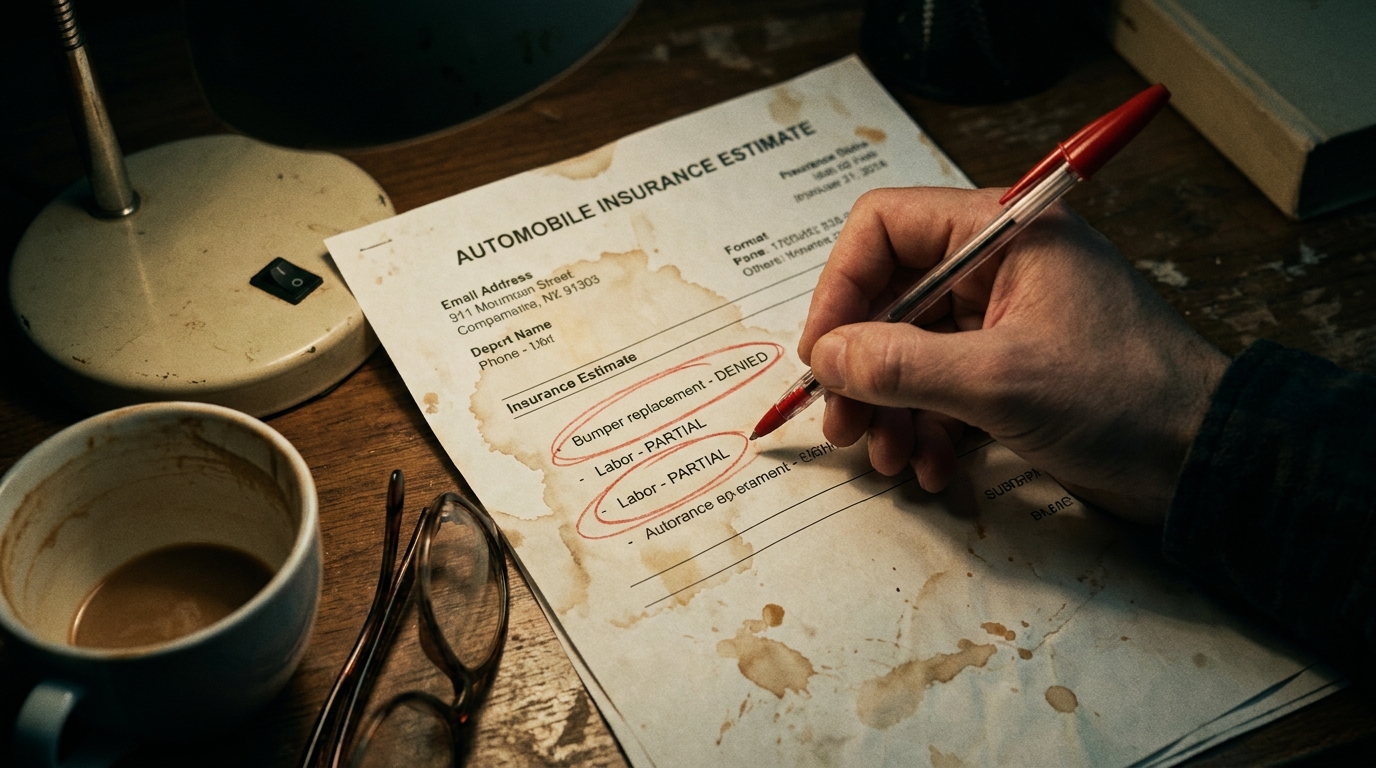
Category 3 water damage (also called “black water”) involves grossly contaminated water containing pathogenic agents, including sewage, flooding from rivers or streams, and water that has been left standing long enough to support microbial growth. It requires the highest levels of PPE, the most extensive material removal protocols, and the most rigorous documentation — and is consistently under-scoped by restoration companies that apply Category 1 thinking to Category 3 losses.
Category 3 water damage is where restoration companies lose the most margin they didn’t know they had. It’s not that they don’t know the work is harder — they know. It’s that they estimate the harder work at rates calibrated for easier work and miss the additional scope items that Category 3 jobs require by definition. The result: a mitigation job that costs 60% more to execute than a comparable Category 1 loss, priced at Category 1 rates.
What Makes Category 3 More Expensive
PPE requirements: Full PPE — N95 or higher respiratory protection, eye protection, chemical-resistant gloves, Tyvek suits — at real per-job cost. Material removal: IICRC S500 generally requires removal of porous materials (drywall, insulation, carpet, padding) that would be dried in place on Category 1 jobs. Antimicrobial treatment: Required on all affected surfaces after material removal — often estimated at Category 1 rates or missed entirely. Disposal: Contaminated materials require bagging and disposal as potentially infectious waste — significantly more expensive than standard construction debris. Containment: Contaminated areas require containment during remediation — frequently missed or underestimated.
The Five Most Commonly Missed Category 3 Scope Items
(1) Contaminated content disposition — documenting, photographing, and disposing of non-restorable contents. (2) Negative air and containment — labor for setup/breakdown, negative air machines, poly barrier materials. (3) Decontamination station — materials and labor for the PPE clean-off station at the containment barrier. (4) Post-remediation verification — third-party testing or internal verification protocol cost. (5) Additional monitoring visits — Category 3 requires more frequent monitoring due to microbial proliferation risk.
Building a Category 3 Scope Checklist
The solution to systematic under-scoping is a job-type-specific checklist reviewed on every Category 3 loss before the estimate is submitted. Include: source remediation confirmation, structural drying equipment appropriate to contaminated materials, antimicrobial type and application rate, photo documentation requirements specific to Category 3, and communication to customer and adjuster about Category 3 implications for scope and timeline.
FAQ
Can Category 3 water damage be dried in place?
Generally no. IICRC S500 requires removal of Category 3 contaminated porous materials rather than drying in place, because drying does not eliminate microbial contamination in porous materials. The specific protocol depends on the material type and degree of contamination.
What PPE is required for Category 3 water damage restoration?
Minimum PPE includes N95 respiratory protection, safety glasses or goggles, chemical-resistant gloves, and protective clothing (Tyvek suits). Higher-risk scenarios may require higher-level respiratory protection. PPE requirements should be documented in the job file.
Who determines water damage category on a restoration job?
The restoration company’s certified technician determines the water category based on the source of water, the degree of contamination, and the time elapsed since the loss event. The determination should be documented in the initial assessment with the reasoning explained in the scope narrative.
Mike McCabe is The Profit Detective — a Master Cleaner, Master Restorer, and 36-year restoration industry veteran who has consulted on Category 3 scoping and pricing for restoration companies across North America.